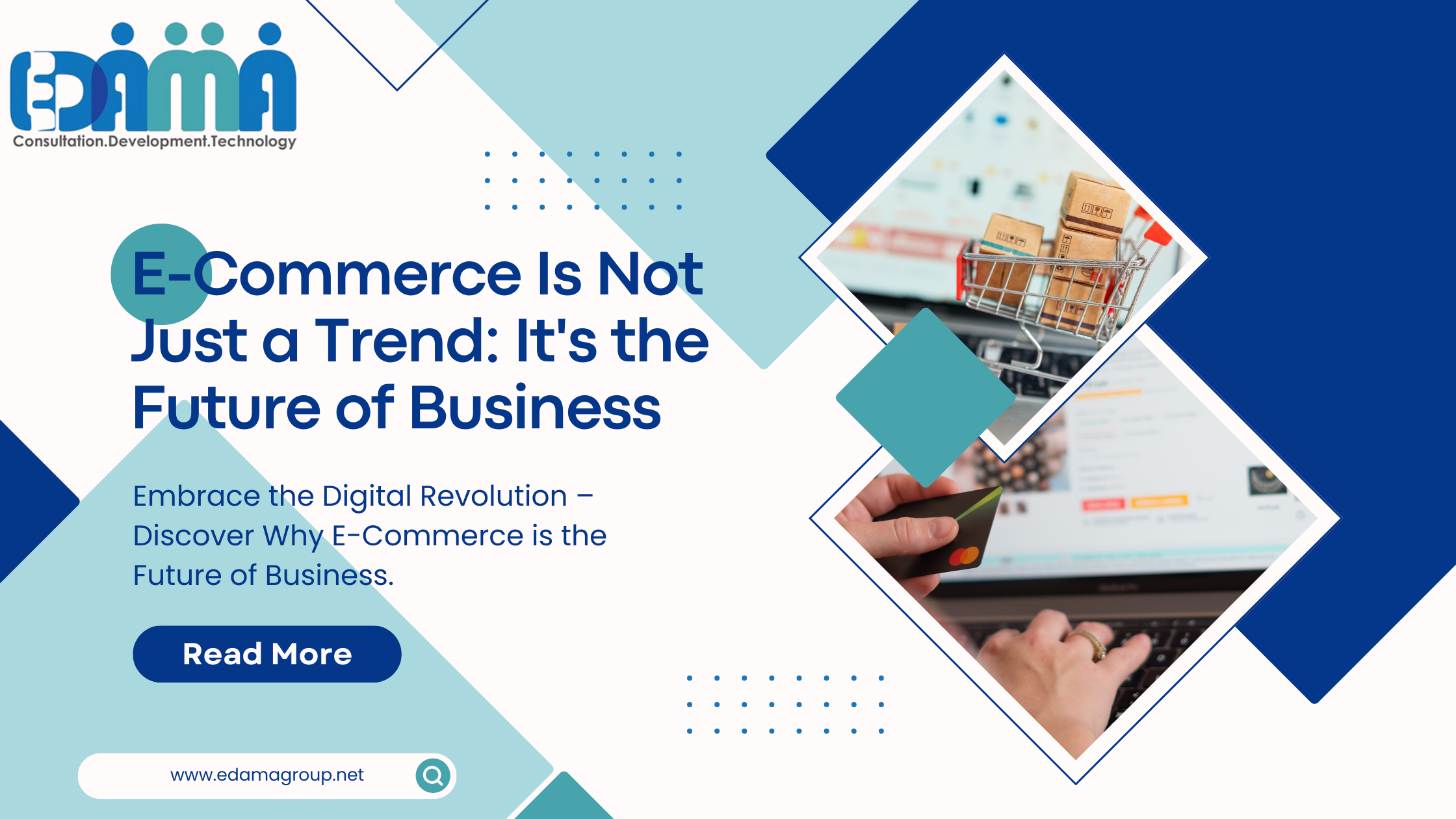
What once might have been considered a passing trend has now become an integral part of the global economy. For businesses of all sizes, e-commerce is no longer optional — it's essential.
In recent years, the rise of e-commerce has been nothing short of transformative. What once might have been considered a passing trend has now become an integral part of the global economy. For businesses of all sizes, e-commerce is no longer optional — it's essential.
The way people shop has changed dramatically. Consumers now expect the convenience of browsing, comparing, and purchasing products from the comfort of their homes or on-the-go via mobile devices. This shift in consumer behavior is not temporary. The ease, speed, and accessibility of online shopping have set new standards for what customers expect.
Technology continues to evolve at an unprecedented rate, and e-commerce is at the forefront of this innovation. From artificial intelligence and machine learning to augmented reality and blockchain, new technologies are enhancing the online shopping experience in ways that were unimaginable a decade ago.
E-commerce has broken down geographical barriers, allowing businesses to reach customers all over the world. This global reach is not a trend; it's a new reality for businesses seeking growth and expansion. E-commerce platforms enable even the smallest businesses to compete on a global stage.
One of the most powerful aspects of e-commerce is the ability to collect and analyze vast amounts of data. Businesses can now gain deep insights into customer behavior, preferences, and trends. This data-driven approach allows companies to make more informed decisions, tailor their offerings, and optimize their marketing strategies.
E-commerce is also leading the charge in creating more sustainable and efficient business practices. By streamlining supply chains, reducing the need for physical storefronts, and optimizing logistics, e-commerce helps businesses reduce their carbon footprint and operate more sustainably.
The COVID-19 pandemic highlighted the critical importance of e-commerce for business continuity. While traditional brick-and-mortar stores were forced to close, businesses with robust e-commerce platforms were able to continue operations and even thrive in the face of unprecedented disruption.
E-commerce allows businesses to offer a level of personalization that is difficult to achieve in traditional retail. Through data analytics and AI, companies can create customized shopping experiences, recommend products based on individual preferences, and engage with customers in a more meaningful way.
E-commerce is not just a trend — it's the future of business. As technology advances, consumer expectations evolve, and global markets expand, e-commerce will continue to shape the way we do business. For companies looking to thrive in this new landscape, embracing e-commerce is not just a strategic choice; it's a necessity.


 Lina Al-Wahaidi